
Pioneer Wagon Trail Simulator
Review
Pioneer Wagon Trail Simulator succeeds by making history feel personal. Each decision carries weight, and the cause-and-effect system keeps you engaged from start to finish. The retro visuals are charming without being distracting, and the educational content integrates naturally into gameplay. Trying different starting professions reveals new strategies, giving the game lasting appeal. It is a rare example of a simulator that teaches without feeling like a lesson.
About
Historical Setting and Premise
Set in the mid-1800s, this game places you at the head of a group of settlers traveling from the Missouri River region toward the Pacific Northwest. The journey reflects real events from American expansion, with each leg of the trail presenting situations that pioneers actually faced. Rather than focusing on action, the experience emphasizes planning and foresight. Players learn about geography, weather patterns, and the daily struggles of overland travel during that era.
Resource Management at the Core
Success depends on how well you stock and maintain your wagon. Food, tools, and medical supplies all have weight and purpose. Carrying too much slows your progress, while too little leaves your party vulnerable. The game asks you to evaluate each purchase and decision carefully. Hunting, trading at forts, and rationing become essential skills. Every choice has consequences that may not appear until miles later.
Decision Points and Their Impact
Throughout the trip, you encounter crossroads that test your judgment. River crossings require assessing depth and current speed. Weather events like storms or extreme heat force you to decide whether to rest or push ahead. Illness can spread if you ignore early signs of trouble. These moments are not random—they build on your previous actions, creating a cause-and-effect loop that rewards thoughtful play.
Replay Value Through Different Roles
Starting as a banker, farmer, or other profession changes your initial resources and advantages. A banker begins with more money but less practical knowledge, while a farmer brings skills in hunting and gathering. Each playthrough offers a different balance of strengths and weaknesses. Trying multiple roles reveals new strategies and outcomes, encouraging repeated journeys without repetition.
Visual and Audio Design
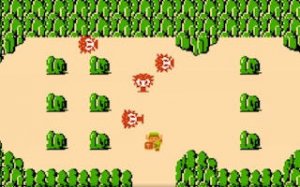
The retro presentation uses simple pixel art and a limited color palette to evoke the era. Maps show your progress along the trail, with icons marking landmarks and hazards. Sound effects are minimal but effective—the creak of wagon wheels, the rush of a river, or the quiet of a prairie night. This restrained style keeps the focus on gameplay and learning rather than flashy graphics.






Comments
Sign in to leave a note
You must be logged in before posting a review or rating.
No account? Create one
No comments yet. Be the first to comment!